

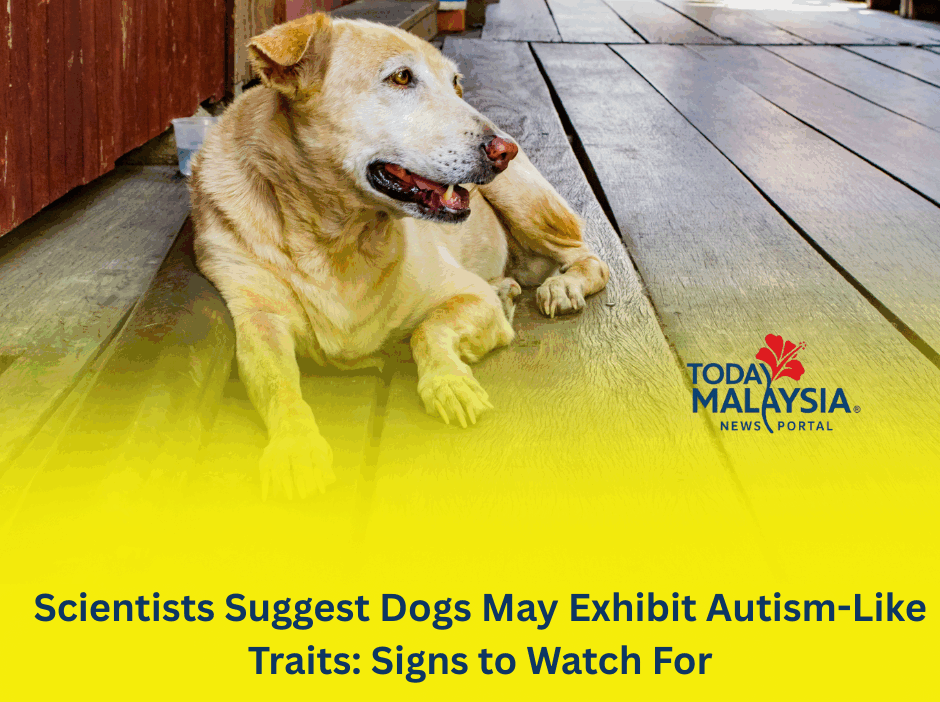
The idea that dogs might show behaviors similar to human autism first emerged in the 1960s, when veterinarians noticed unusual patterns in canine behavior. Recently, the discussion has resurfaced after a UK scientist suggested that dogs may indeed experience a form of the neurodevelopmental condition.
Dr. Jacqueline Boyd, an animal scientist at Nottingham Trent University, highlighted that dogs share key structural and chemical brain similarities with humans, making them susceptible to comparable disorders.
While there is currently no formal veterinary diagnosis for autism or ADHD in dogs, autistic functional nutritionist Jewelz Ketovore has outlined behavioral signs that may indicate potential concerns.
“The technical term veterinarians use is ‘canine dysfunctional behavior,’ but for simplicity, we can refer to it as ‘doggy autism,’” Ketovore explained in a YouTube video. She categorized the behaviors into three main areas: repetitive actions, social interaction changes, and sensory sensitivities.
Repetitive Actions
Little Rays ABA, a company specializing in behavioral therapy for animals, noted that compulsive actions often dominate a dog’s day, limiting normal interaction. Examples include persistent tail-chasing, fixed-path pacing, constant paw-licking that causes irritation or hair loss, teeth grinding, or intense fixation on a single object. When these behaviors become excessive or harmful, professional evaluation is recommended.
Changes in Social Interaction
Dogs displaying autism-like traits may avoid eye contact, hesitate when approached by people or other dogs, or retreat rather than respond with typical social gestures. A decline in interest in play, especially games requiring shared engagement, can indicate difficulties interpreting social cues. Communication may also be affected, with some dogs vocalizing in unusual ways, such as prolonged howling or repetitive barking. Body language may appear atypical, including stiff postures, avoidance of greeting rituals, or ignoring previously learned commands. Experts emphasize that these behaviors often stem from sensory or cognitive overload, not defiance.
Sensory Sensitivities
Heightened sensitivities are another key indicator. Dogs may overreact to everyday sounds like vacuums, doorbells, or passing traffic, sometimes trembling or bolting. Some may avoid touch, even from familiar people, or show aversion to certain smells or food textures. These patterns mirror those seen in humans with autism and may require gradual desensitization and environmental adjustments.
Supporting Dogs with Autism-Like Traits
Experts recommend consistent routines, positive reinforcement training, and environmental enrichment. Structured schedules for feeding, walks, and play help reduce anxiety and provide predictability. Puzzle feeders, quiet retreat spaces, calming vests, or noise-reducing gear can further ease stress and curb repetitive behaviors, with regular adjustments to ensure ongoing effectiveness.
Ketovore concluded: “If your dog shows several of these signs, congratulations—you may have an autistic dog on your hands.”



Refer customers, collect commissions—join our affiliate program!